You may be ready for a hair transplant if your hair loss pattern has stabilized, non-surgical treatments are no longer effective, and you have healthy donor hair with visible thinning or bald areas.

5 Signs You’re Ready for a Hair Transplant
Hair loss can gradually affect not only your appearance but also your confidence and overall self-esteem. While some people experience mild thinning that can be managed with medications or hair care treatments, others may notice progressive balding, receding hairlines, or patchy scalp visibility that no longer improves with temporary solutions.
If you have been struggling with ongoing hair loss and are searching for a long-term solution, it may be time to consider a hair transplant. Choosing the best hair transplant in Bangalore starts with understanding whether you are the right candidate for the procedure. A successful hair transplant depends on factors such as stable hair loss, healthy donor hair, realistic expectations, and overall scalp condition.
Modern hair transplant techniques such as FUE and advanced graft implantation procedures can help restore natural-looking hair density and improve confidence when performed at the right stage of hair loss.
In this guide, we explain the top signs that indicate you may be ready for a hair transplant and when you should consult a hair restoration specialist.
What Is a Hair Transplant?
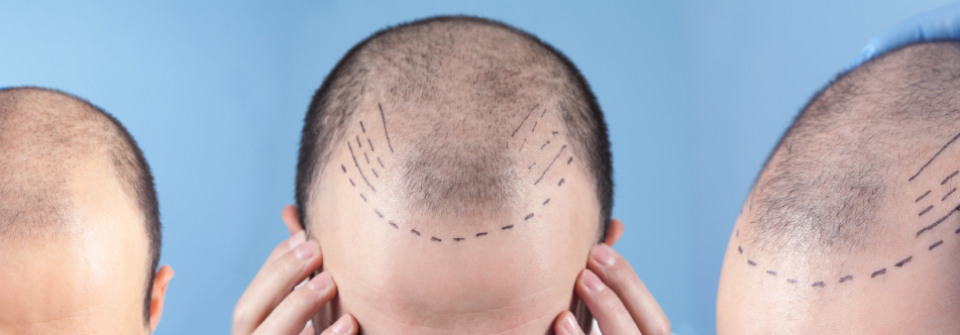
A hair transplant is a minimally invasive hair restoration procedure that involves extracting healthy hair follicles from one part of the scalp, usually the back or sides of the head, and implanting them into thinning or balding areas.
The procedure is commonly used to treat:
- Male-pattern baldness
- Female-pattern hair loss
- Receding hairlines
- Crown baldness
- Patchy hair loss
- Hair thinning caused by genetics
Since transplanted follicles are typically resistant to hair fall, the results can be long-lasting and natural-looking when performed correctly.
1. Your Hair Loss Pattern Has Stabilized
One of the biggest signs you are ready for a hair transplant is that your hair loss has become relatively stable.
Hair transplant procedures work best when the surgeon can clearly identify the permanent and thinning zones of the scalp. If hair loss is still progressing aggressively, transplanted hair may eventually appear uneven as surrounding natural hair continues to thin.
Signs of stable hair loss include:
- Minimal changes in hairline for 12–18 months
- Slower hair shedding
- Stable crown thinning
- No rapid progression of bald spots
People in the early stages of aggressive hair fall are often advised to first control ongoing loss through medications, GFC or PRP therapy before considering surgery.
A stable hair loss pattern helps surgeons create a more natural and long-lasting hairline design.
2. You Have Noticeable Thinning or Bald Areas
Persistent thinning, receding hairlines, or visible bald spots are strong indicators that you may benefit from a hair transplant procedure.
Common signs include:
- Visible scalp under bright lighting
- Receding temples
- M-shaped hairline
- Crown baldness
- Patchy scalp density
- Wider hair partition
Many people initially try shampoos, oils, or over-the-counter treatments, but advanced hair thinning often requires more permanent restoration methods.
Hair transplants can help improve:
- Hairline definition
- Scalp coverage
- Hair density
- Facial symmetry
- Overall appearance
Modern procedures are designed to blend transplanted hair naturally with your existing hair for realistic results.
3. Non-Surgical Hair Loss Treatments Are No Longer Working
Before opting for surgery, many individuals try non-surgical hair loss treatments such as:
- Minoxidil
- PRP therapy
- GFC treatment
- Hair growth supplements
- Medicated scalp treatments
While these treatments can slow hair loss and strengthen follicles, they may not fully restore density in areas where follicles have stopped producing hair.
You may be ready for a hair transplant if:
- Hair loss continues despite treatment
- Bald patches remain unchanged
- Density improvement is minimal
- Hairline recession continues
- Results from medications are temporary
Hair transplant surgery is often considered when conservative treatments no longer provide satisfactory improvement.
However, in many cases, doctors may still combine PRP or GFC therapy with hair transplant procedures to support better healing and graft survival.
4. You Have Healthy Donor Hair
A successful hair transplant depends heavily on the quality and density of donor hair available at the back and sides of the scalp.
These donor follicles are extracted and implanted into thinning areas during the procedure.
Good donor hair usually means:
- Thick hair density at the back of the scalp
- Strong follicle quality
- Minimal thinning in donor regions
- Healthy scalp condition
If donor areas are too weak or sparse, achieving full coverage may become difficult.
During consultation, a hair transplant specialist typically evaluates:
- Donor density
- Scalp elasticity
- Hair texture
- Follicle strength
- Extent of hair loss
This assessment helps determine whether you are a suitable candidate and how many grafts may be required.
5. You Have Realistic Expectations About Results
One of the most important signs that you are mentally prepared for a hair transplant is having realistic expectations.
Hair transplant surgery can significantly improve hair density and appearance, but it cannot completely recreate the hair volume you had in your teenage years.
Understanding the recovery timeline is also important:
- Initial shedding may occur after surgery
- Visible growth often begins after 3–4 months
- Full results usually appear within 9–12 months
People who are good candidates understand that:
- Results take time
- Density varies by individual
- Multiple sessions may sometimes be needed
- Hair restoration improves appearance rather than creating perfection
Realistic expectations often lead to higher satisfaction with the final outcome.
Additional Signs You May Be Ready for a Hair Transplant
Hair Loss Is Affecting Your Confidence
Hair loss can impact self-esteem, social confidence, and emotional well-being.
Many individuals feel:
- Less confident socially
- Uncomfortable in photographs
- Self-conscious about scalp visibility
- Frustrated with temporary fixes
Hair restoration can help improve confidence and overall appearance for suitable candidates.
You Are Looking for a Permanent Hair Loss Solution
Unlike temporary options such as hair fibers, wigs, or camouflage products, hair transplants offer a more permanent solution.
Since transplanted follicles are generally resistant to hair fall, results can last for many years with proper care and maintenance.
This makes hair transplant surgery one of the most effective long-term hair restoration procedures available today.
Who May Not Be Ready for a Hair Transplant?
Not everyone experiencing hair loss is immediately suitable for surgery.
You may need further evaluation if:
- Hair loss is highly aggressive
- Donor area density is poor
- You have uncontrolled medical conditions
- Scalp infections are present
- Hair thinning is temporary or stress-related
In some cases, doctors may recommend non-surgical treatments first to stabilize ongoing hair fall.
How to Prepare Before a Hair Transplant
Before undergoing the procedure:
- Consult an experienced hair restoration specialist
- Discuss your medical history
- Avoid smoking and alcohol before surgery
- Follow scalp care instructions carefully
- Maintain realistic expectations
Choosing the right clinic and treatment approach is equally important for achieving natural-looking results.
Benefits of Hair Transplant Surgery
A well-planned hair transplant can offer:
- Natural-looking hair growth
- Improved hairline appearance
- Better scalp coverage
- Long-lasting results
- Enhanced confidence
- Minimal maintenance
Advanced techniques now allow surgeons to create highly precise and aesthetically balanced outcomes.
When Should You Consult a Hair Specialist?
You should consider professional consultation if you notice:
- Persistent hair thinning
- Receding hairline
- Crown baldness
- Visible scalp patches
- Reduced hair density
- Hair loss despite treatment
Early assessment can help determine the best treatment approach and prevent further progression.
FAQs
1. 1. How do I know if I am ready for a hair transplant?
2. What is the best age for a hair transplant?
Most specialists recommend considering a hair transplant after the age of 25, when hair loss patterns become more stable and predictable.
3. Can a hair transplant stop future hair loss?
No, a hair transplant restores hair in thinning areas but does not stop future hair loss in untreated areas. Additional treatments like PRP or medications may help manage ongoing hair fall.
4. How long does it take to see results after a hair transplant?
Initial hair growth usually starts within 3–4 months, while full results may take around 9–12 months depending on the individual’s scalp condition and healing response.
5. Is a hair transplant permanent?
Yes, transplanted hair follicles are generally resistant to hair loss and can provide long-lasting, natural-looking results with proper care.
6. What happens if I get a hair transplant too early?
If hair loss is still progressing aggressively, getting a hair transplant too early may lead to uneven density or unnatural-looking results over time.
7. How many grafts are needed for a hair transplant?
The number of grafts depends on the severity of hair loss, scalp condition, donor hair density, and the desired coverage area.
8. Is hair transplant surgery painful?
Modern hair transplant procedures are minimally invasive and performed under local anesthesia, making the procedure relatively comfortable for most patients.
9. Can women undergo hair transplant treatment?
Yes, women experiencing female-pattern hair loss, thinning hairlines, or patchy hair loss may also be suitable candidates for hair transplant procedures.
10. Which is the best hair transplant treatment in Bangalore?
The best hair transplant treatment depends on your scalp condition, hair loss stage, and donor hair quality. Consulting an experienced hair restoration specialist at Livglam can help determine the most suitable treatment approach for natural-looking results.
Final Thoughts
Hair transplant surgery can be a life-changing solution for individuals experiencing persistent hair thinning or baldness. However, timing and candidacy play a major role in achieving successful and natural-looking results.
If your hair loss has stabilized, non-surgical treatments are no longer effective, and you have healthy donor hair with realistic expectations, you may be ready to consider a hair transplant procedure.
At Livglam, we offer advanced hair restoration and hair transplant treatments in Bangalore designed to deliver natural-looking results with personalized treatment planning, modern techniques, and expert scalp evaluation to help restore your confidence and hair density naturally.
About the Author

Dr. Harish B (B.D.S, F.A.M, F.H.T, MBA-HM)
Dr. Harish B is a dedicated Aesthetic Physician and Cosmetologist with over a decade of experience in advanced skin, face, body, hair, and laser treatments. Recognised as one of Bangalore’s leading aesthetic experts, he has trained dermatologists and plastic surgeons across India in Botox and dermal filler techniques for a top global manufacturer.
His expertise is internationally recognised, having attended the prestigious AMWC Conference in Monte Carlo and completed advanced training programs in Singapore and Dubai. Known as a Celebrity Aesthetic Physician, Dr. Harish has worked with numerous South Indian film personalities while maintaining a patient-first approach that blends artistry with medical precision.
Dr. Harish holds fellowships in aesthetics and hair transplantation and has trained under renowned dermatologists and celebrity plastic surgeons. At Livglam, he is committed to delivering safe, effective, and personalised treatments while ensuring every patient’s journey is smooth, comfortable, and results-driven.
Recent Blogs









Book your slot to know things about laser treatment!
Just a click away to experience high quality aesthetic treatments.
