Yes, in many cases hair thinning can improve if the underlying cause is treated early.

What Causes Hair Thinning? Common Reasons, Signs & Best Treatments
Hair thinning is one of the most common hair concerns affecting both men and women today. While losing around 50–100 strands per day is considered normal, excessive shedding, reduced volume, or visible scalp exposure may indicate an underlying issue that needs attention.
If you are experiencing excessive hair fall, reduced hair density, or visible scalp thinning, identifying the root cause early is essential for choosing the best hair loss treatment and preventing further damage. From regenerative therapies like PRP (Platelet-Rich Plasma) and GFC (Growth Factor Concentrate) to advanced treatments such as FGFC therapy, QR678 hair growth therapy, Exosomes hair therapy, and Mesotherapy with peptides, modern hair restoration procedures can help improve hair strength, density, scalp nourishment, and overall follicular health. Combined with customised scalp care, nutritional guidance, and expert evaluation, these treatments support healthier and fuller-looking hair over time.
Hair thinning can result from genetics, hormonal imbalance, chronic stress, poor nutrition, medical conditions, medications, or damaging hair practices. The good news is that identifying the root cause early can help slow down hair fall and improve hair regrowth with the right treatment approach.
In this guide, we explain the most common causes of hair thinning, warning signs to watch for, and effective treatments that may help restore healthier and fuller-looking hair.
What Is Hair Thinning?
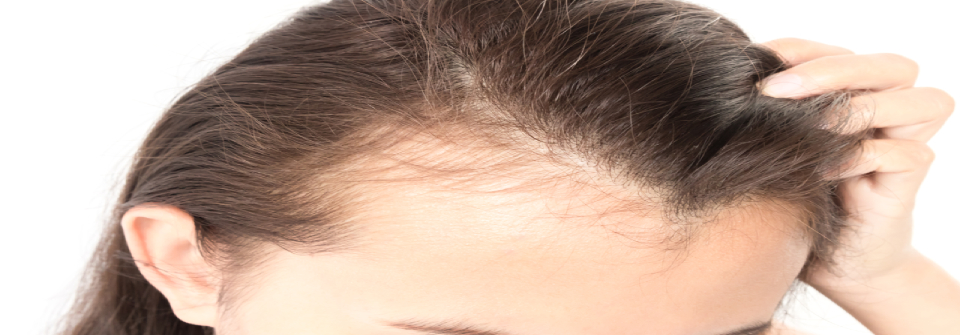
Hair thinning refers to a gradual reduction in hair density where hair strands become finer, weaker, and less voluminous over time. Unlike severe hair loss conditions that lead to complete baldness, thinning hair usually causes sparse areas or reduced fullness across the scalp.
Common signs of hair thinning include:
- Excessive hair shedding
- Reduced hair volume
- Widening scalp partition
- Visible scalp under bright light
- Weak or brittle strands
- Receding hairline
- Slow hair growth
Hair thinning may affect:
- The crown area
- Front hairline
- Temples
- Entire scalp density
In many cases, the condition worsens gradually if the underlying trigger is not addressed.
Top Causes of Hair Thinning
1. Genetics and Ageing
Genetics is one of the leading causes of hair thinning worldwide. A hereditary condition called androgenetic alopecia commonly causes male-pattern baldness and female-pattern hair loss.
In men, genetic hair thinning usually appears as:
- Receding hairline
- Crown thinning
- Bald spots
In women, it often causes:
- Diffuse thinning
- Reduced density around the crown
- Wider hair partition
Ageing also plays a major role. As people grow older, hair follicles naturally become weaker and produce thinner strands. Hair growth cycles also slow down with age, resulting in reduced hair density over time.
If hair thinning runs in your family, early intervention becomes especially important.
2. Hormonal Changes
Hormonal fluctuations can significantly affect hair growth and follicle health. Changes in estrogen, progesterone, androgen, and thyroid hormone levels may disrupt the natural hair growth cycle.
Common hormonal causes include:
- Pregnancy
- Childbirth
- Menopause
- PCOS
- Thyroid disorders
- Birth control pills
Many women experience noticeable hair thinning after pregnancy due to sudden hormonal changes. Menopause-related estrogen reduction may also weaken follicles and reduce overall hair density.
PCOS-related hormonal imbalance can increase androgen levels, which may contribute to excessive hair fall and scalp thinning in women.
3. Chronic Stress and Emotional Trauma
Stress has become one of the most overlooked causes of hair thinning.
High emotional or physical stress can trigger a condition called telogen effluvium, where hair follicles prematurely enter the resting phase. This results in sudden excessive shedding after a stressful event.
Common stress triggers include:
- Emotional trauma
- Work pressure
- Surgery
- Illness
- Lack of sleep
- Anxiety
- Lifestyle burnout
Stress-related hair thinning often becomes noticeable within a few months after the triggering event. Chronic stress may also increase cortisol levels, which can negatively affect the hair growth cycle.
4. Nutritional Deficiencies
Healthy hair growth depends heavily on proper nutrition. Deficiency of essential nutrients can weaken hair roots and reduce follicle strength.
Hair thinning is commonly associated with low levels of:
- Iron
- Zinc
- Protein
- Vitamin D
- Biotin
- Vitamin B12
- Folic acid
Crash dieting, sudden weight loss, and poor eating habits can worsen hair shedding significantly.
Iron deficiency is particularly linked to diffuse hair thinning in women. Protein deficiency may weaken the hair shaft, leading to brittle strands and breakage.
A balanced diet rich in proteins, leafy vegetables, nuts, seeds, eggs, and vitamins is important for maintaining healthy hair growth.
5. Medical Conditions and Medications
Several medical conditions may directly or indirectly contribute to hair thinning.
Common conditions include:
- Thyroid disorders
- Alopecia areata
- Autoimmune diseases
- Scalp infections
- Fungal infections
- Chronic illnesses
Certain medications may also trigger excessive shedding, including drugs used for:
- Depression
- Arthritis
- Cancer
- Blood pressure
- Hormonal disorders
Autoimmune conditions like alopecia areata can cause sudden patchy hair loss, while thyroid imbalance may lead to diffuse thinning across the scalp.
If hair fall begins suddenly after starting a medication or illness, medical evaluation is recommended.
6. Excessive Heat Styling and Chemical Treatments
Frequent heat styling and harsh chemical procedures can weaken the hair shaft and damage follicles over time.
Common damaging practices include:
- Hair straightening
- Curling tools
- Bleaching
- Frequent coloring
- Chemical smoothing
- Perm treatments
These practices may cause:
- Hair breakage
- Dryness
- Split ends
- Reduced density
- Scalp irritation
Overusing harsh hair sprays, gels, and chemical products may also contribute to hair thinning.
Reducing heat exposure and using gentle hair care products can help prevent further damage.
7. Tight Hairstyles and Traction Alopecia
Tight hairstyles place repeated tension on the scalp and hair follicles, leading to a condition called traction alopecia.
Common hairstyles that may contribute include:
- Tight ponytails
- Braids
- Hair extensions
- Tight buns
Over time, continuous pulling can damage follicles and cause:
- Hairline thinning
- Broken baby hairs
- Scalp soreness
- Permanent follicle damage
Wearing looser hairstyles and reducing tension can help protect hair follicles from long-term damage.
Common Triggers for Sudden Hair Thinning
Some people experience sudden hair thinning instead of gradual hair loss.
Common triggers include:
- Rapid weight loss
- Major emotional stress
- High fever
- Surgery
- Hormonal medication changes
- Postpartum recovery
- Nutritional imbalance
Sudden excessive shedding should not be ignored, especially if accompanied by scalp irritation, patchy bald spots, or inflammation.
Best Treatments for Hair Thinning
Treatment depends on identifying the underlying cause of hair thinning.
PRP Therapy
Platelet-Rich Plasma (PRP) treatment uses growth factors from the patient’s blood to stimulate dormant hair follicles and improve hair growth naturally.
GFC Hair Treatment
Growth Factor Concentrate (GFC) therapy helps strengthen weakened follicles and may improve hair density with minimal downtime.
FGFC Therapy
FGFC (Follicular Growth Factor Concentrate) therapy is an advanced regenerative treatment designed to nourish hair follicles and support healthier hair growth.
QR678 Hair Therapy
QR678 therapy uses a specialised blend of growth factors and peptides to help reduce hair fall and improve hair density.
Exosomes Hair Therapy
Exosomes therapy supports scalp rejuvenation and follicular repair by delivering growth-signaling factors that may encourage stronger hair growth.
Mesotherapy with Peptides
Mesotherapy delivers vitamins, peptides, and nutrients directly into the scalp to improve scalp nourishment and strengthen hair follicles.
Minoxidil
Minoxidil is an FDA-approved topical treatment commonly used to support hair regrowth and slow hair thinning. Consistent usage is important for visible results.
Nutritional Support
Correcting deficiencies through supplements and a balanced diet can improve overall hair health and reduce excessive shedding.
Stress Management
Reducing stress through exercise, meditation, sleep improvement, and relaxation techniques may help control stress-related hair thinning.
Tips to Prevent Hair Thinning
To maintain healthier and stronger hair:
- Eat a protein-rich balanced diet
- Avoid excessive heat styling
- Reduce harsh chemical treatments
- Manage stress effectively
- Sleep adequately
- Avoid tight hairstyles
- Use gentle hair care products
- Address nutritional deficiencies early
- Maintain proper scalp hygiene
Simple lifestyle changes can significantly improve long-term hair health.
When Should You Consult a Hair Specialist?
You should seek medical advice if you notice:
- Sudden excessive hair fall
- Patchy bald spots
- Persistent thinning
- Severe scalp itching
- Hair loss lasting more than 3–6 months
- Rapid receding hairline
Early diagnosis improves treatment success and helps identify any underlying medical condition.
FAQs About Hair Thinning
1. Can thinning hair grow back?
2. Does stress really cause hair thinning?
Yes. Chronic stress can trigger excessive shedding by disrupting the hair growth cycle.
3.Which vitamin deficiency causes hair thinning?
Iron, zinc, vitamin D, biotin, and protein deficiencies are commonly associated with hair thinning.
4. Is hair thinning permanent?
Not always. Temporary thinning may improve with treatment, while hereditary hair loss often requires long-term management.
5. Can hormonal imbalance cause hair thinning in women?
Yes. PCOS, menopause, pregnancy, and thyroid disorders commonly contribute to female hair thinning.
Final Thoughts
Hair thinning can affect confidence and overall well-being, but early diagnosis and proper treatment can make a significant difference. Since the causes vary from genetics and hormonal imbalance to stress and nutritional deficiencies, understanding the root cause is essential for choosing the right treatment plan.
If you notice persistent or sudden hair thinning, consulting a qualified hair specialist can help identify the underlying issue and prevent further progression. With proper care, medical guidance, and lifestyle changes, healthier and fuller hair growth is often achievable.
At Livglam, we offer some of the best hair loss treatment in Bangalore with personalized solutions such as PRP, GFC, scalp therapies, and expert-guided hair restoration plans designed to improve hair strength, density, and overall scalp health.
About the Author

Dr. Harish B (B.D.S, F.A.M, F.H.T, MBA-HM)
Dr. Harish B is a dedicated Aesthetic Physician and Cosmetologist with over a decade of experience in advanced skin, face, body, hair, and laser treatments. Recognised as one of Bangalore’s leading aesthetic experts, he has trained dermatologists and plastic surgeons across India in Botox and dermal filler techniques for a top global manufacturer.
His expertise is internationally recognised, having attended the prestigious AMWC Conference in Monte Carlo and completed advanced training programs in Singapore and Dubai. Known as a Celebrity Aesthetic Physician, Dr. Harish has worked with numerous South Indian film personalities while maintaining a patient-first approach that blends artistry with medical precision.
Dr. Harish holds fellowships in aesthetics and hair transplantation and has trained under renowned dermatologists and celebrity plastic surgeons. At Livglam, he is committed to delivering safe, effective, and personalised treatments while ensuring every patient’s journey is smooth, comfortable, and results-driven.
Recent Blogs






Book your slot to know things about laser treatment!
Just a click away to experience high quality aesthetic treatments.
